Home Blog Page 82

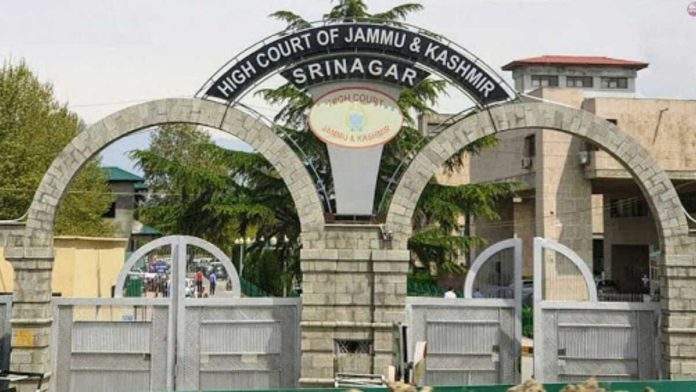
Government of India Files Reply in J&K High Court on LG’s Nomination Powers; Petitioner to File Rejoinder

Government of India Files Reply in J&K High Court on LG’s Nomination Powers; Petitioner to File Rejoinder

Jammu, August 11, 2025 :
The Government of India (GoI) has submitted its formal reply to the Public Interest Litigation challenging the Lieutenant-Governor’s (LG) authority to nominate five members to the Jammu and Kashmir Legislative Assembly without the aid and advice of the elected government.

The PIL, filed by senior advocate and Congress spokesperson Mr. Ravinder Kumar Sharma, contests the constitutionality of the provisions in the Jammu and Kashmir Reorganisation Act, 2019, as amended in 2023. The petitioner argues that the nomination of five MLAs beyond the sanctioned strength of 114 Assembly seats — comprising 90 elected and 24 reserved for Pakistan-occupied Jammu & Kashmir (PoJK) areas — violates the basic structure of the Constitution. He contends that these nominations have the potential to alter the balance of power, effectively converting a minority government into a majority or vice versa, which is impermissible.

Senior Supreme Court advocate Dr. Abhishek Manu Singhvi is appearing for the petitioner in this case.

Next Steps in the Case
Mr. Sharma, responding to media queries following the submission of the GoI’s reply, stated that the government’s response came at the eleventh hour after multiple opportunities to file it. He affirmed the petitioner’s intention to examine the reply closely with senior lawyers and file a rejoinder before the court schedules the final hearing.

“The next hearing on August 14 will focus on fixing the date for the final hearing after completing the pleadings,” Mr. Sharma said.

Legal Issue Framed by the High Court
The Jammu and Kashmir High Court had earlier framed the core legal question on whether Sections 15, 15A, and 15B of the Reorganisation Act — which empower the LG to nominate additional members beyond the elected Assembly strength — violate the Constitution’s basic structure. The court directed the GoI and the LG to file detailed replies, which were awaited until now.

The petitioner maintains that the current provision effectively circumvents democratic principles by allowing the LG to independently nominate members without the aid and advice of the Council of Ministers, thus undermining the elected government’s authority.

Political and Constitutional Implications
The amendments to the J&K Reorganisation Act were introduced to provide representation to displaced Kashmiri migrants, PoJK residents, and women in the Assembly, groups that may otherwise remain underrepresented.

However, critics argue that these powers might be misused to influence the composition and control of the legislature, raising important questions about the limits of constitutional authority and federal principles within Union Territories.
“MHA Defends LG’s Discretionary Nomination Rights in J&K Assembly Amid PIL Challenge”

MHA Defends LG’s Discretionary Nomination Rights in J&K Assembly Amid PIL Challenge

Jammu, August 11, 2025:
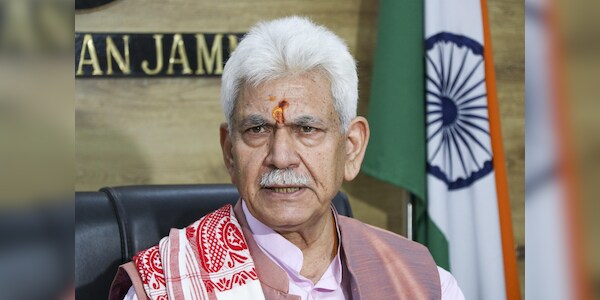
The Union Ministry of Home Affairs (MHA) has clarified before the Jammu and Kashmir High Court that the Lieutenant-Governor (LG) of Jammu and Kashmir holds exclusive statutory authority to nominate five members to the Union Territory’s Legislative Assembly without requiring the “aid and advice” of the elected government or the Council of Ministers.
This declaration came in response to a Public Interest Litigation (PIL) challenging the constitutional validity of the recent amendments to the Jammu and Kashmir Reorganisation Act, 2019, which empower the LG to nominate additional members beyond the elected strength of the Assembly.
Background of the Amendment and the PIL
In 2023, the Parliament amended the 2019 Act to allow the LG to nominate five members to the J&K Legislative Assembly. These include three members representing displaced Kashmiri migrants (two of whom must include a woman) and the Pakistan-occupied Jammu & Kashmir (PoJK) community, as well as two women members if the LG deems that women are inadequately represented.
The amendment increased the Assembly’s sanctioned strength from 114 to 119 seats, with 24 seats reserved and kept vacant for areas under PoJK administration.
Congress leader Ravinder Kumar Sharma filed the PIL questioning the constitutional validity of these nominations. The petitioner argued that such provisions could alter the government’s majority and potentially violate the basic structure of the Constitution.
Ministry’s Stand: LG’s Role is Independent and Statutory
In an affidavit submitted on July 24, 2025, the MHA emphasized that the office of the Lieutenant-Governor is a separate constitutional and statutory authority, distinct from the elected government of the Union Territory.
The affidavit states, “Once the Parliament bylaw recognises the Lieutenant-Governor as a distinct authority from the government of Union Territory under Parliamentary enactment, it necessarily follows that when a power is conferred upon the Lieutenant-Governor, then the same must be exercised as a statutory function and not as an extension of his duties as the head of the UT Government.”
It further clarifies that the nomination power granted to the LG under the amended provisions of the J&K Reorganisation Act is to be exercised in his discretion, without the “aid and advice” of the Council of Ministers.
The Ministry also highlighted that the total sanctioned strength of the Assembly includes the nominated members, not just the elected 114 seats. This interpretation aligns with the provisions of the Union Territories Act, 1963, applicable to other Union Territories such as Puducherry.
Government’s Argument on the PIL
The Ministry termed the petition as “academic” because the feared scenario, where nominated members could influence the formation or fall of the government, had not arisen so far.
The affidavit also noted that the petitioner failed to substantiate the claim that the nominations exceeded the sanctioned strength or violated constitutional provisions. The Ministry stated, “The Petitioner has not provided any cogent legal basis or statutory interpretation to support such a distinction, and the submissions in this regard remain misconceived and unsustainable in law.”
Court Proceedings and Political Context
The Jammu and Kashmir High Court had sought the Union government’s detailed response after hearing the PIL on October 21, 2024. The case is now scheduled for further hearing on August 14, 2025.
The election for the 90 seats in the J&K Assembly was held in September-October 2024, with the results declared on October 8. The National Conference-Congress alliance emerged with a strong majority, reshaping the political landscape of the Union Territory.
Significance of the Nominations
The nominated seats aim to ensure representation for displaced Kashmiri migrants, the PoJK community, and women — groups that otherwise may face underrepresentation in the Assembly.
The MHA’s stand underlines the constitutional design where the LG, as the constitutional head of the UT, holds certain independent powers to safeguard inclusivity and representation within the legislative framework.

CM Orders Strict Action Against Substandard Meat; Intensifies Food Safety Inspections

CM Orders Strict Action Against Substandard Meat; Intensifies Food Safety Inspections

Srinagar, Aug 11 : The Jammu & Kashmir Chief Minister has directed the Food Safety Department to launch a stringent drive against the sale of substandard meat and other food products.

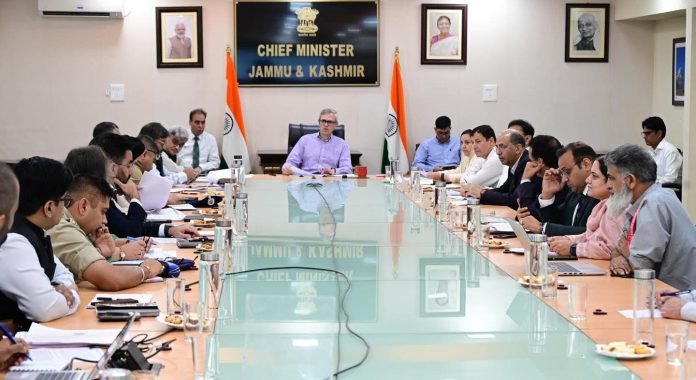
The directions came during a high-level meeting on market regulation chaired by the CM on Monday

According to the Office of the Chief Minister, in a post on X as per media, the CM stressed that consumer health and safety must be the top priority, and no compromise would be tolerated when it comes to food quality.

The Food Safety Department has been instructed to conduct surprise market inspections, particularly targeting meat sellers, and to ensure that all products meet prescribed hygiene and quality standards. Violators will face strict legal action, including fines and closure of establishments.

The CM also called for coordination between municipal bodies, police, and market regulators to ensure that the crackdown is effective and sustained. Citizens have been urged to report any instance of suspected substandard or unhygienic meat to the concerned authorities.

From past one week, concerns have been raised over the sale of low-quality and unhygienic meat in several districts of J&K, prompting demands for tougher enforcement of food safety laws. The latest directives are part of a broader effort by the government to improve public health standards and restore consumer confidence in local markets.

2 J&K Police officers killed, another injured in Srinagar accident

2 J&K Police officers killed, another injured in Srinagar accident

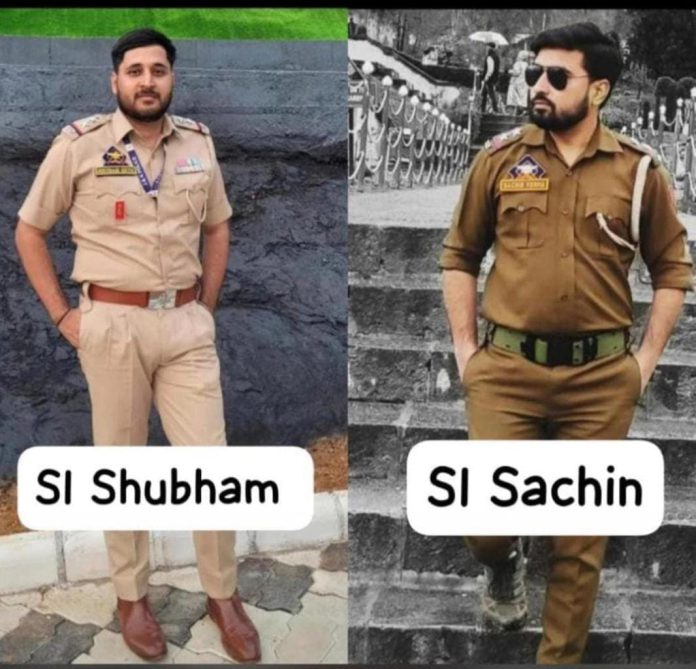
Two Jammu and Kashmir Police Sub-Inspectors were killed, while another was injured in a road accident in Nowgam area of Srinagar during the intervening night of August 10-11, officials told the news on Monday.

They said a speeding KIA vehicle bearing No. JK21H-1919 hit a road divider at Tengen Bypass, near Nowgam and went out of control and met with the accident.

They said three Sub-Inspectors of J&K Police sustained injuries in the accident. “The injured were shifted to a hospital, where doctors declared two of them as brought dead, while the third is undergoing treatment,” the officials said.

The deceased were identified as Sachin Verma of 23 Bn IRP, presently posted at Pantha Chowk, and Shubam Sait of 21 Bn IRP posted at Awantipora for. The injured has been identified as Mastan Singh of 23 Bn IRP.

Meanwhile, police have taken cognisance of the incident.

17 Years On, J&K’s Modern Slaughterhouses Still on Paper; Rotten Meat Crisis Blamed on Govt Apathy

Srinagar, Aug 11 — Seventeen years after the Government of India approved the construction of two modern slaughterhouses — one each in Srinagar and Jammu — the projects remain incomplete, raising serious questions over governance, planning, and political will in Jammu and Kashmir.

The initiative, launched by the Ministry of Agriculture in 2008, was meant to modernise meat processing, ensure hygiene, and prevent the sale of unsafe mutton and chicken. For Srinagar, land was initially identified at Aloochibagh, work allotted, and execution even started. However, the Education Department later claimed the site belonged to a school, halting progress.

Despite partial fund release from the Centre, successive governments failed to revive the plan. Insiders allege political interference and vested interests, claiming certain leaders wanted to “grab” control of the abattoirs through the backdoor.

Experts say that if these modern, scientifically maintained abattoirs had been established, there would be no scope for the rampant sale and storage of rotten meat now plaguing the Valley.

Food safety advocates have called for setting up such abattoirs in all district headquarters and imposing a complete ban on open slaughter and import of dressed mutton and chicken.

With the recent seizure of over 3,000 kilograms of rotten meat in Kashmir, many view this crisis as entirely man-made — the result of prolonged inaction, policy failure, and ignored public health priorities.

Wildlife Department Issues Public Advisory on Monkey Menace in District Kulgam

Wildlife Department Issues Public Advisory on Monkey Menace in District Kulgam

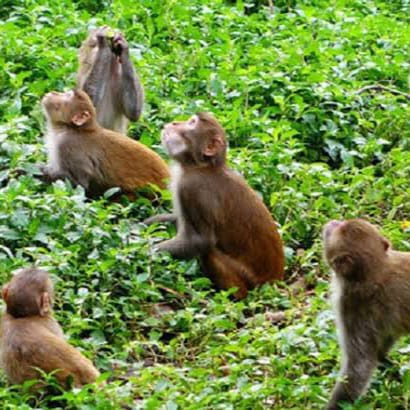
Kulgam, Aug 10: In response to the rising incidents of monkey nuisance across several villages in District Kulgam, the Department of Wildlife Protection, Devsar, has issued a public advisory urging residents to extend their full cooperation in mitigating the threat. Officials have reminded the public that monkeys are wild animals with unpredictable behaviour, particularly when provoked, cornered, or habituated to human food.

Precautionary Measures for Residents:

1.Refrain from Feeding Monkeys Feeding encourages them to frequent human settlements and fosters aggressive tendencies.

2.Dispose of Waste Properly – Use sealed, monkey-proof bins; do not leave food waste in open spaces.

3.Secure Food Sources Indoors Keep fruits, vegetables, and cooked food away from open areas, balconies, or near windows.

4.Keep Entry Points Shut – Secure doors and windows, especially during early mornings and evenings.

5.Remain Calm Around Monkeys Avoid direct eye contact, sudden movements, or threatening gestures.

6.Avoid Moving Alone in Affected Areas – Children and elderly should be accompanied.

7.Do Not Chase or Capture – Such actions can provoke aggression and result in injuries.

8.Trim Overhanging Branches – Prevent rooftop access via nearby trees.

Protection of Agriculture:

Timely Harvest – Do not leave ripe crops in the field for long.

Natural Deterrents – Use scarecrows, reflective tapes, and noise-making devices.

Barrier Crops – Plant less attractive crops on the periphery of fields.

Field Vigilance – Implement rotational guarding during crop ripening.

Community Cooperation – Coordinate with neighbouring farmers for synchronized protection.

In Case of an Attack:
Officials advise residents to remain composed, back away slowly without turning their back, protect the face and head, and seek immediate medical treatment, including anti-rabies vaccination.

The Department has appealed for collective community action to ensure both human safety and the humane management of the monkey population.

CRPF Personnel Critically Injured After Allegedly Shooting Self at Panthachowk Yatra Transit Camp

CRPF Personnel Critically Injured After Allegedly Shooting Self at Panthachowk Yatra Transit Camp

Srinagar, Aug 10 : A Central Reserve Police Force (CRPF) personnel was critically injured after allegedly shooting himself at the Yatra Transit Camp in Panthachowk on Sunday morning.

Offical sources informed that gunshots were heard from inside the camp, prompting police along with other security personnel to rush to the spot.

Preliminary investigations revealed that Head constable C-62 Battalion, a resident of Basani, district Lakhisarai in Bihar, had allegedly fired shots on himself, sources said.

He was immediately shifted to PCR Kashmir in a critical condition for urgent medical attention, sources added.

Cognizance has been taken and further investigation started.—

CRPF Personnel Critically Injured After Allegedly Shooting Self at Panthachowk Yatra Transit Camp

Operation Sindoor is a testament to the synergy & operational cohesion among the three Services: CDS

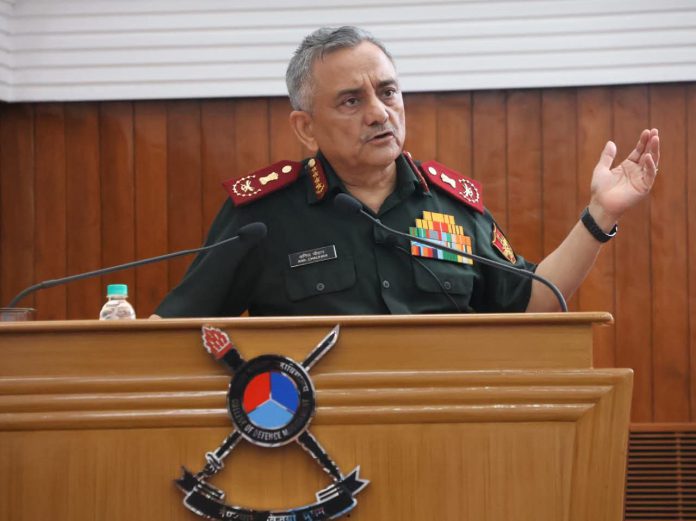
Chief of Defence Staff General Anil Chauhan has described the success of ‘Operation Sindoor’ as a testament to the synergy and operational cohesion among the three Services. Addressing the participants of the 21st Higher Defence Management Course (HDMC) and senior officers at the College of Defence Management (CDM), Secunderabad, the CDS shared strategic perspectives on Jointness & Integration in the Armed Forces, and highlighted key takeaways for shaping the future roadmap of integrated operations.

General Anil Chauhan laid stress on the importance of comprehensive capability development, Aatmanirbharta and in-depth understanding of the transformative changes being pursued in the military to deal with the disruptive changes in the technology-driven modern warfare.

The CDS delivered an insightful talk on ‘National Security Architecture and Higher Defence Management’. He outlined the evolution and current structure of India’s defence organisation. He highlighted the achievements of the Department of Military Affairs, the functioning of national security committees crucial for decision-making, the implementation of reforms, including organisational restructuring, and the road map for theatre commands to enhance joint capability. The address underscored the importance of continued reforms, coordination and adaptability to meet evolving national security challenges.

As part of ongoing efforts to strengthen joint logistics and integration, General Anil Chauhan released the ‘Joint Primer for Integrated Logistics’, a comprehensive guide prepared by CDM. Logistics is the backbone of military operations and integration of logistical processes across the Armed Forces is critical to achieving strategic objectives, he said.

This primer marks a step forward in modernising the logistics systems, ensuring that the Armed Forces are always equipped and prepared for any challenge. It highlights core areas of logistics integration le digitisation, common provisioning and procurement and integration with national logistics framework. The document is aimed at enhancing Tri-service logistics coordination, improving efficiency, and ensuring greater organisational effectiveness across the Armed Forces.

The CDS also inaugurated Smart Bike Public Bicycle Sharing Facility, a pioneering initiative to enable convenient access to eco-friendly e-bicycles for daily commutation to personnel at CDM, thereby reducing the carbon footprint. This project has been carried out by CDM in collaboration with Smart Bike Mobility Pvt Ltd and reflects commitment of CDM towards green practices, embracing smart technology and healthier lifestyle alternatives.

Commandant, CDM Maj Gen Harsh Chhibber gave a comprehensive briefing on the recent initiatives in promoting professional military education for shaping the future strategic leadership of the Armed Forces.

The CDM, a premier Tri-service institution, continues to play a pivotal role in equipping senior officers with contemporary management skills essential for higher leadership roles. The ongoing 44-week HDMC includes 167 participants, including 12 officers from friendly nations, reinforcing India’s commitment to regional cooperation and military diplomacy.

Pakistan lost Rs 4.1 bn after airspace ban on Indian flights: Report

Pakistan lost Rs 4.1 bn after airspace ban on Indian flights: Report

Islamabad, Aug 10: Pakistan’s airport body suffered a loss of Rs 4.1 billion in over two months due to the closure of airspace for Indian airlines, according to official data.

Pakistan and India closed their respective airspaces for each other’s airlines following the deadly Pahalgam terrorist attack in Kashmir on April 22, which killed 26 people, mostly tourists.

The airspace ban was extended after ties between the two countries deteriorated due to the four-day conflict as India launched Operation Sindoor on May 7 and destroyed terror infrastructure in territories controlled by Pakistan.

The Ministry of Defence informed the National Assembly on Friday that the closure of airspace to Indian-registered aircraft has cost the Pakistan Airports Authority (PAA) a loss of Rs 4.1 billion, reported the Dawn newspaper.

The ministry said the shortfall, from April 24 to June 30, was in overflying revenue.

It added that the amounts reflected “revenue shortfalls, not overall financial losses” and noted that overflight and aeronautical charges remained unchanged.

Pakistan’s airspace is open to all except Indian airlines and aircraft.

Similarly, Pakistani carriers remain banned from Indian airspace.

Indian Army’s Ongoing HADR Operations in Dharali and Harsil

Indian Army’s Ongoing HADR Operations in Dharali and Harsil

Date: 09 August 2025

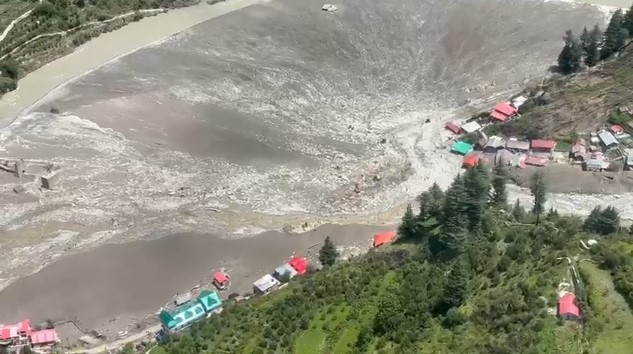
The Indian Army continues extensive Humanitarian Assistance and Disaster Relief (HADR) operations in Dharali and Harsil, Uttarakhand, following the massive landslides and flooding earlier this week. Engineering, search, medical, and communication teams are working round the clock to restore connectivity, rescue stranded civilians, and support local communities.

A major focus remains on restoring vital links. The Border Roads Organisation (BRO) and Army engineers are constructing a 90-foot Bailey Bridge at Limchigarh, while clearance work is underway on heavily damaged stretches of road between Gangotri and Uttarkashi. A 330-foot cableway is also being built to connect submerged road sections.

On 09 August, a total of 33 helicopter sorties — including Army and civil aviation — evacuated 195 civilians from affected areas. Nearly 200 tourists were assisted in crossing mudslide zones and reaching Harsil helipad for onward evacuation. Food and accommodation have been provided to over 110 stranded tourists.

Search operations for missing soldiers and civilians are being conducted with the support of five highly trained Search and Rescue (SAR) dogs, drones, Ground Penetrating Radar (GPR), and LiDAR equipment. Debris clearance, resuscitation of footbridges, and temporary track construction are also underway to improve ground access.

Medical teams have treated 35 patients, including tourists and local residents. Additional medicines and supplies have been flown in from Dehradun. Communication has been fully restored between Harsil and Nelong, with damaged optical fibre replaced and satellite internet extended to Dharali village.

Air maintenance flights have delivered over 1.4 tonnes of fresh and dry rations, with additional supplies planned for 10 August. Fuel storage for ongoing aerial operations has also been established in the region.

The Indian Army remains steadfast in its mission to save lives, restore critical infrastructure, and provide relief to those affected — continuing its motto of Service Before Self in the face of challenging conditions.