Middle East , Feb 8 : Reports emerging over the past 24 hours point to a noticeable shift in the United States’ military posture around Iran, raising concerns about a potentially extended phase of tension and instability in the Middle East.
According to security-linked sources, another US special operations unit, reportedly associated with Delta Force, has been located in Turkmenistan. While there has been no official confirmation from Washington, the development has triggered speculation about expanded intelligence gathering and contingency planning in the region.
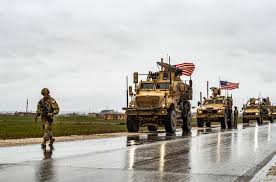
The reported movement comes amid increased US military activity, with more than 26 American military transport aircraft currently heading toward the broader Middle East region, indicating a steady build-up rather than a short-term deployment.
Analysts warn that any confrontation involving Iran is unlikely to be swift or limited. Unlike previous short-duration operations elsewhere, the region’s strategic depth, multiple state and non-state actors, and complex alliances could result in a prolonged and multi-layered conflict.
In parallel, reports suggest that the US has reinforced its military presence along Iran’s northern approaches, including areas near the Turkmenistan and Armenia borders. These developments are being closely monitored by regional governments and international observers.
Further adding to the heightened alert, advanced missile defence systems, including THAAD and Patriot batteries, are reportedly fully deployed across nearly 20 US military bases in the Middle East. The deployments underline Washington’s focus on defensive preparedness amid concerns over possible missile or drone retaliation.
While US officials have not issued detailed public statements, the scale and spread of the reported deployments suggest preparation for sustained instability rather than a brief escalation. Diplomatic channels remain active, but developments on the ground point to caution, readiness, and an acknowledgement that any future conflict in the region may be prolonged and complex.
Middle East , Feb 8 : Reports emerging over the past 24 hours point to a noticeable shift in the United States’ military posture around Iran, raising concerns about a potentially extended phase of tension and instability in the Middle East.
According to security-linked sources, another US special operations unit, reportedly associated with Delta Force, has been located in Turkmenistan. While there has been no official confirmation from Washington, the development has triggered speculation about expanded intelligence gathering and contingency planning in the region.
The reported movement comes amid increased US military activity, with more than 26 American military transport aircraft currently heading toward the broader Middle East region, indicating a steady build-up rather than a short-term deployment.
Analysts warn that any confrontation involving Iran is unlikely to be swift or limited. Unlike previous short-duration operations elsewhere, the region’s strategic depth, multiple state and non-state actors, and complex alliances could result in a prolonged and multi-layered conflict.
In parallel, reports suggest that the US has reinforced its military presence along Iran’s northern approaches, including areas near the Turkmenistan and Armenia borders. These developments are being closely monitored by regional governments and international observers.
Further adding to the heightened alert, advanced missile defence systems, including THAAD and Patriot batteries, are reportedly fully deployed across nearly 20 US military bases in the Middle East. The deployments underline Washington’s focus on defensive preparedness amid concerns over possible missile or drone retaliation.
While US officials have not issued detailed public statements, the scale and spread of the reported deployments suggest preparation for sustained instability rather than a brief escalation. Diplomatic channels remain active, but developments on the ground point to caution, readiness, and an acknowledgement that any future conflict in the region may be prolonged and complex.