India–Pak children paint peace as cricketers ‘shake hands’ on canvas
Anandpur Sahib, Punjab: At a time when relations between India and Pakistan continue to remain strained, a unique people-to-people initiative has once again brought voices of hope to the forefront — this time through the imagination and creativity of children from both sides of the border.
A civil society platform working for cross-border peace recently released its 2026 Peace Calendar, now in its fourteenth year, featuring artworks created by schoolchildren from India and Pakistan. The initiative provides a space for young minds to express their vision of peace, cooperation, and a shared future through art.
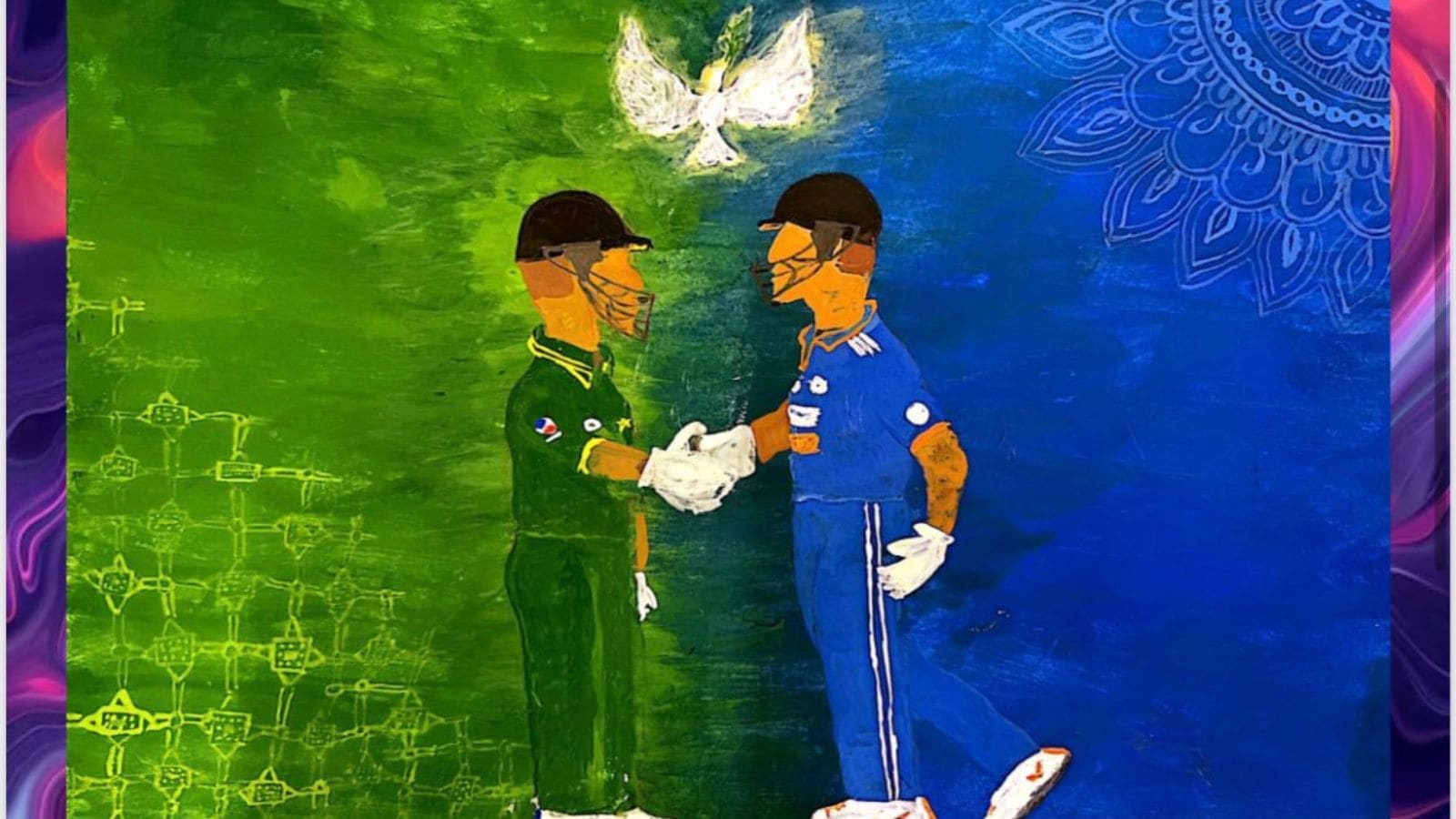
The calendar showcases twelve selected paintings, with equal representation from both countries. Each artwork reflects how children perceive harmony, friendship, and progress, often influenced by current events and social realities. One striking painting depicts Indian and Pakistani cricketers shaking hands on the field, symbolising sportsmanship and the belief that competition need not prevent mutual respect.
The annual peace calendar has been published without interruption since 2012, despite frequent ups and downs in diplomatic relations. Organisers say the consistency of the project sends a strong message — that dialogue and peacebuilding at the civilian level should continue regardless of political challenges.
This year’s theme, “Together We Rise,” focuses on how the two neighbouring countries can move forward through cooperation rather than conflict. Several artworks highlight shared development, education, innovation, and even collaboration in emerging fields such as technology and science.
Speaking at the release event, organisers stressed that nurturing a culture of peace among children is essential for long-term regional stability. They noted that young people are deeply aware of political developments and often respond to them thoughtfully through creative expression.
Paintings were received from multiple regions in both countries, including cities and towns across northern and southern India, as well as major urban centres in Pakistan. Teachers and parents involved in the initiative said the exercise not only builds artistic skills but also encourages empathy, understanding, and critical thinking among students.
In addition to artwork, children are also encouraged to write letters to their counterparts across the border. While physical exchange of letters is no longer possible due to postal restrictions, the messages are shared digitally to ensure the spirit of connection remains alive.
Organisers believe that such initiatives help remind societies that beyond political disagreements, common hopes for peace, dignity, and progress continue to exist — especially in the hearts of the next generation.