
News Desk/ 17 December /2025 BY Ishfaq Gowher
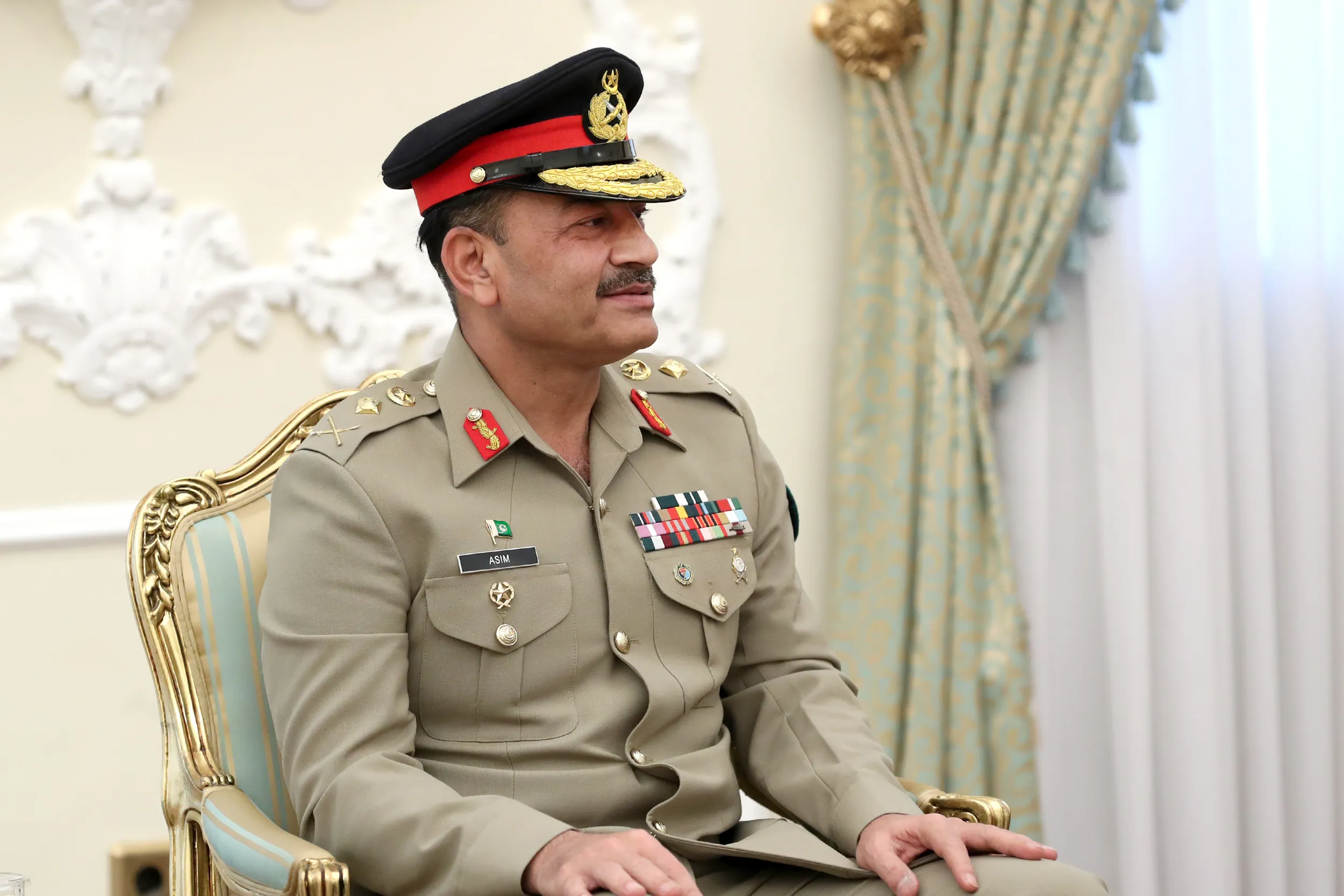
Pakistan’s Chief of Defence Forces, Field Marshal Asim Munir, is facing one of the most significant challenges of his leadership as the United States pushes Islamabad to consider contributing troops to a proposed international stabilisation force in Gaza. The move, backed by US President Donald Trump, places Pakistan at the centre of a sensitive geopolitical and domestic dilemma.
According to diplomatic sources, Asim Munir is expected to visit Washington in the coming weeks, where the Gaza situation is likely to dominate discussions. This would mark his third high-level interaction with President Trump in recent months, underscoring the growing importance of military-to-military engagement between the two countries.
The US-backed proposal envisions a stabilisation force made up largely of troops from Muslim-majority nations to oversee a transition period in Gaza, focusing on reconstruction and economic recovery after prolonged conflict. Washington views Pakistan’s military as experienced and capable, given its history of counter-insurgency operations and conventional warfare experience.
However, the proposal carries serious political risks for Islamabad. Any Pakistani military presence in Gaza under a US-led framework could provoke strong public opposition at home. Pakistan has a long-standing pro-Palestinian sentiment, and religious groups remain deeply hostile to both the US and Israel. Analysts warn that troop deployment could trigger protests and unrest, particularly among Islamist factions that, despite bans and crackdowns, retain influence on the streets.
Beyond religious groups, the issue could also inflame tensions with supporters of former Prime Minister Imran Khan, many of whom view Asim Munir with suspicion. A controversial foreign deployment may provide fresh grounds for political mobilisation against the military leadership.
At the same time, declining the US request could strain relations with Washington. Pakistan’s civilian and military leadership is keen to revive economic cooperation, attract foreign investment, and restore security assistance that has remained limited in recent years. A refusal may be seen in Washington as a lack of cooperation at a critical moment.
Pakistan’s Foreign Minister has signalled a cautious stance, suggesting that Islamabad could consider a peacekeeping role but would not participate in any effort to disarm Palestinian groups. This position reflects Pakistan’s attempt to balance international expectations with domestic sensitivities.
With unprecedented authority following recent constitutional changes, Asim Munir now carries the full weight of this decision. Whether Pakistan engages in Gaza or stays out, the outcome is likely to shape the country’s foreign policy trajectory and define Munir’s legacy as the most powerful military chief Pakistan has seen in decades.