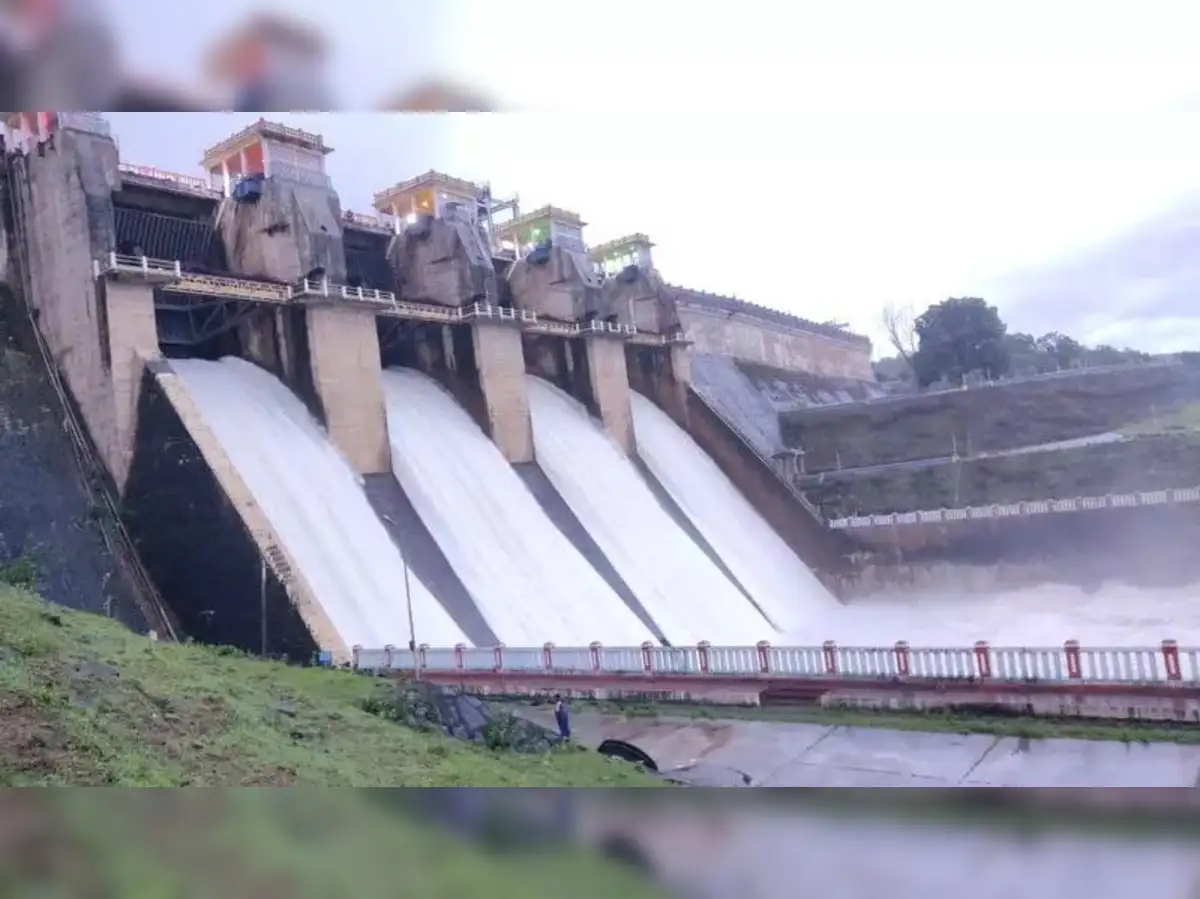
New Delhi, August 13, 2025: India has firmly rejected the authority of the Court of Arbitration at The Hague concerning disputes under the Indus Waters Treaty, labeling the tribunal as “illegal” and its proceedings void. The Ministry of External Affairs (MEA) issued a statement on Friday, asserting that the court’s formation violates the 1960 treaty and lacks jurisdiction over issues related to the Kishenganga and Ratle hydropower projects in Jammu and Kashmir.
The controversy follows a supplemental award by the Court of Arbitration, which claimed competence to address a dispute initiated by Pakistan over India’s decision to suspend the treaty on April 23, following a terrorist attack in Pahalgam. The MEA emphasized that India has consistently opposed the court’s existence, arguing that its establishment breaches treaty provisions. “India has never recognized the existence in law of this so-called Court of Arbitration,” the ministry stated, adding that any awards or decisions from the tribunal are “illegal and per se void.”
India maintains that the treaty, brokered by the World Bank in 1960, remains in abeyance until Pakistan halts cross-border terrorism. The MEA reiterated that no arbitral body—especially one deemed unlawfully constituted—can question India’s sovereign actions. India has refused to participate in the tribunal’s proceedings, noting that the supplemental award focuses on asserting jurisdiction rather than directly addressing the hydropower projects.
The 1960 agreement allocates the waters of the eastern rivers—Sutlej, Beas, and Ravi—to India for unrestricted use, while the western rivers—Indus, Jhelum, and Chenab—are largely assigned to Pakistan, with India allowed limited domestic, irrigation, and hydroelectric usage. Disputes over the Kishenganga and Ratle projects reflect ongoing tensions between the two nations over water management in the Indus Basin.