Jammu, August 11, 2025 :
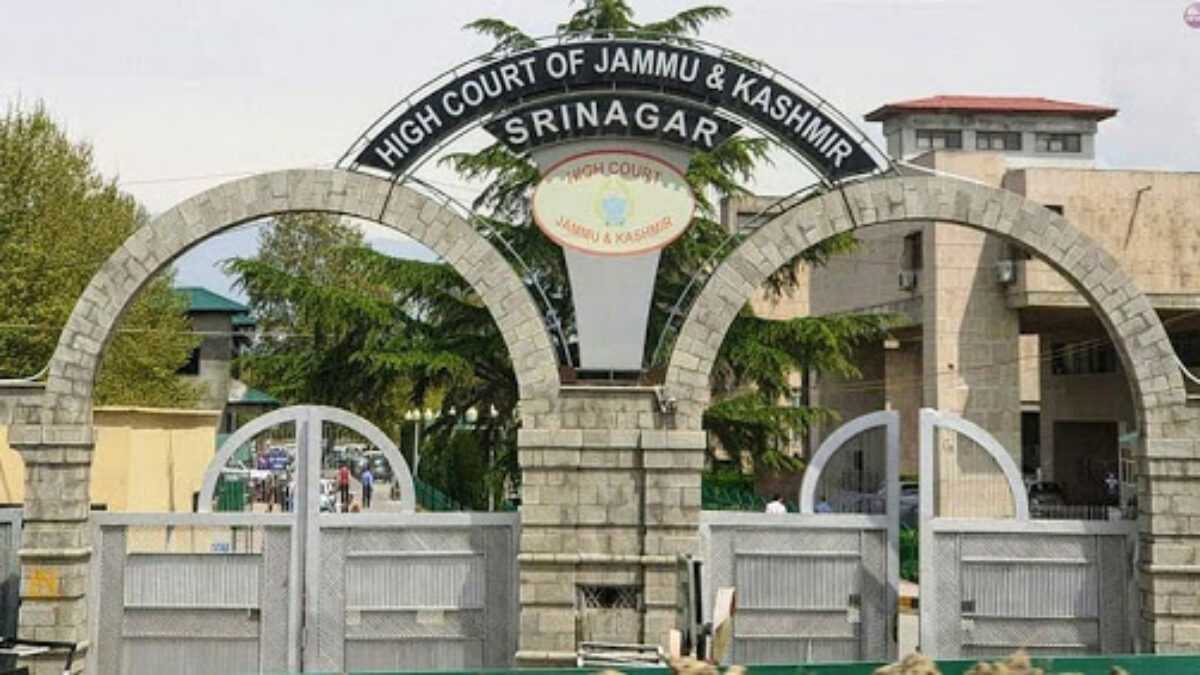
The Government of India (GoI) has submitted its formal reply to the Public Interest Litigation challenging the Lieutenant-Governor’s (LG) authority to nominate five members to the Jammu and Kashmir Legislative Assembly without the aid and advice of the elected government.
The PIL, filed by senior advocate and Congress spokesperson Mr. Ravinder Kumar Sharma, contests the constitutionality of the provisions in the Jammu and Kashmir Reorganisation Act, 2019, as amended in 2023. The petitioner argues that the nomination of five MLAs beyond the sanctioned strength of 114 Assembly seats — comprising 90 elected and 24 reserved for Pakistan-occupied Jammu & Kashmir (PoJK) areas — violates the basic structure of the Constitution. He contends that these nominations have the potential to alter the balance of power, effectively converting a minority government into a majority or vice versa, which is impermissible.
Senior Supreme Court advocate Dr. Abhishek Manu Singhvi is appearing for the petitioner in this case.
Next Steps in the Case
Mr. Sharma, responding to media queries following the submission of the GoI’s reply, stated that the government’s response came at the eleventh hour after multiple opportunities to file it. He affirmed the petitioner’s intention to examine the reply closely with senior lawyers and file a rejoinder before the court schedules the final hearing.
“The next hearing on August 14 will focus on fixing the date for the final hearing after completing the pleadings,” Mr. Sharma said.
Legal Issue Framed by the High Court
The Jammu and Kashmir High Court had earlier framed the core legal question on whether Sections 15, 15A, and 15B of the Reorganisation Act — which empower the LG to nominate additional members beyond the elected Assembly strength — violate the Constitution’s basic structure. The court directed the GoI and the LG to file detailed replies, which were awaited until now.
The petitioner maintains that the current provision effectively circumvents democratic principles by allowing the LG to independently nominate members without the aid and advice of the Council of Ministers, thus undermining the elected government’s authority.
Political and Constitutional Implications
The amendments to the J&K Reorganisation Act were introduced to provide representation to displaced Kashmiri migrants, PoJK residents, and women in the Assembly, groups that may otherwise remain underrepresented.
However, critics argue that these powers might be misused to influence the composition and control of the legislature, raising important questions about the limits of constitutional authority and federal principles within Union Territories.